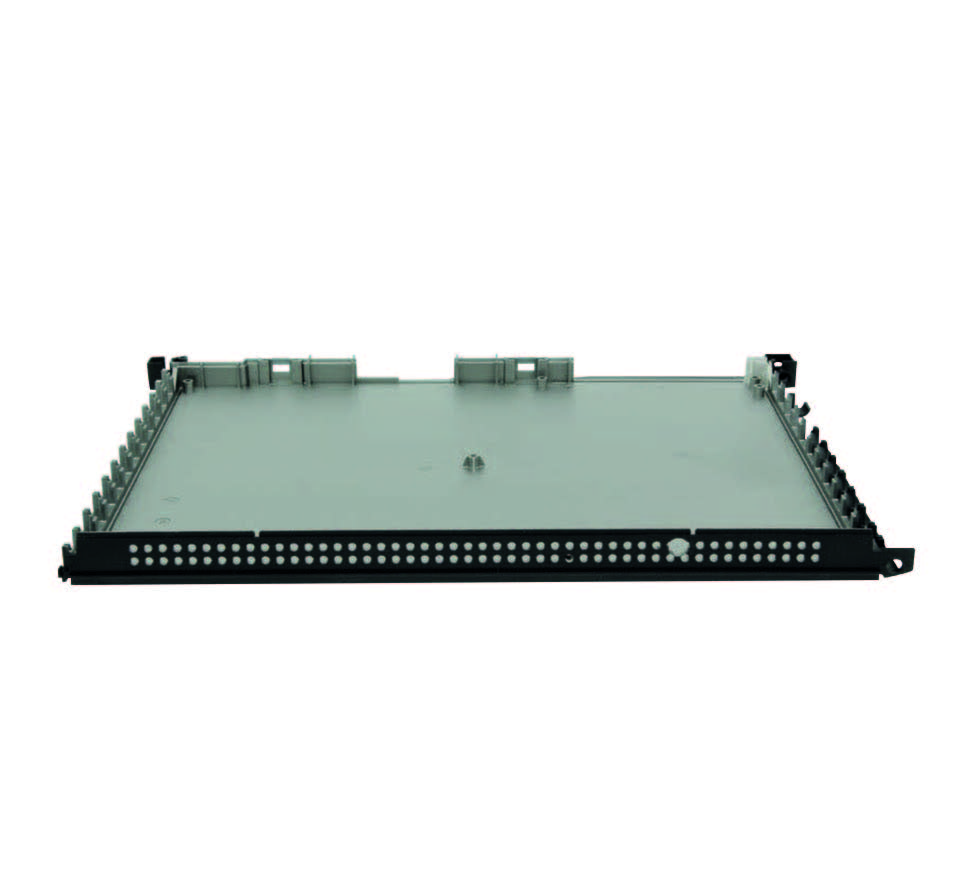
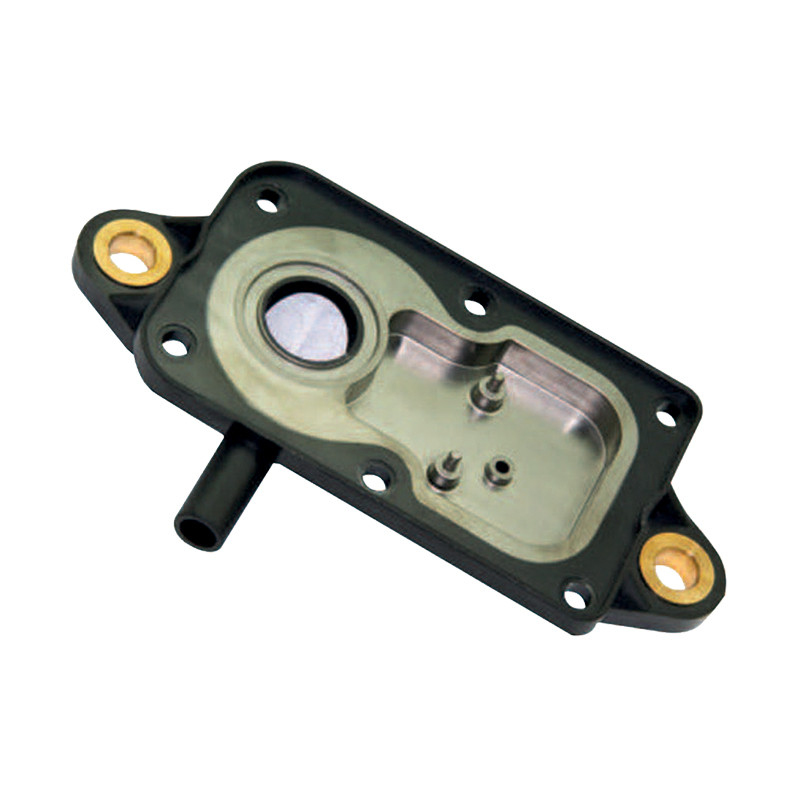
EMC coverage of plastic surfaces

Photos are for informational purposes only. View product specification

please use latin characters

Manufacturer: Creavac

EMC coverage of plastic surfaces

EMC Coatings for Plastic Surfaces

DACPOL is a CREAVAC partner specializing in, among other things, coating plastics with conductive coatings using PVD (Physical Vapor Deposition) technology. This technology involves the physical deposition of thin layers from the vapor phase. CREASHIELD technology allows for coatings with a thickness of less than 10 μm. CREAVAC has its own research and development department that works on optimizing processes and application systems, allowing us to deliver both production and individual quantities.

EMC and ESD Protection


Available Coatings
  • CREASHIELD - Al (1.5 – 5 μm)
  • CREASHIELD - Cu/NiCr (1.5 – 3 μm/150 nm)
  • CREASHIELD - Cu/Sn (1.5 – 3 μm/1 – 2 μm)
  • CREASHIELD - Au (approx. 1 μm)
The suitability of Cu/NiCr coatings for EMC shielding is due to the following properties:
  • Good shielding effect (in particular, lower resistivity compared to aluminum coatings of the same thickness)
  • Economical production
  • Good long-term corrosion characteristics
  • Good-looking coating
  • Easy recycling of plastic composites
  • No change in the properties of plastics
Instead of the NiCr protective coating, tin can be used, which will then be soldered. This repeated process reduces fingerprint sensitivity.

Shielding effect
The effectiveness of shielding depends on the design of the housing, the coating, the electrical connection to the devices, and the electronic properties of the device. Generally, an attenuation of 65-85 dB can be achieved.

ESD Protection
A thin metal coating, such as NiCr, can also be used to protect against electrostatic discharge.

Requirements for the Coating Substrate
To achieve optimal coating results, requirements must be met, including, for example, the choice of substrate material and surface finish.


Often coated plastics


ABS
ABS / PC, ASA
COC
COP
LCP
PA-6
PA-6.6
PBT
PC
PE-HD
PEEK
PEI
PES
PET
Acrylonitrile / Butadiene / Styrene
ASA Acrylonitrile / Styrene / Acrylester
Cycloolefin – Copolymer
Cycloolefin – Polymer
Liquid Crystal Polymer
Polyamide 6
Polyamide 6.6
Polybutylene Terephthalate
Polycarbonate
Polyethylene (High Density)
Polyetheretherketone
Polyetherimide
Polyarylethersulfone
Polyethylene Terephthalate
PI
PMMA
PP
PPA
PPE
PPS
PS
PSI
PUR
PVC
SAN
SB
s-PS
Polyimide
Methyl Methacrylate
Polypropylene
Polyamide Polyamide
Polyphenylene Ether
Polyphenylene Sulfide
Polystyrene
Polysulfone
Polyurethane
Polyvinyl Chloride
Styrene / Acrylonitrile
Styrene / Butadiene
Syndiotactic Polystyrene

Send an inquiry

Are you interested in this product? Do you need additional information or individual pricing?

Contact us
ASK FOR THE PRODUCT close
Thank you for sending your message. We will respond as soon as possible.
ASK FOR THE PRODUCT close
Browse

Add to Wishlist

You must be logged in

EMC Coatings for Plastic Surfaces

DACPOL is a CREAVAC partner specializing in, among other things, coating plastics with conductive coatings using PVD (Physical Vapor Deposition) technology. This technology involves the physical deposition of thin layers from the vapor phase. CREASHIELD technology allows for coatings with a thickness of less than 10 μm. CREAVAC has its own research and development department that works on optimizing processes and application systems, allowing us to deliver both production and individual quantities.

EMC and ESD Protection


Available Coatings
  • CREASHIELD - Al (1.5 – 5 μm)
  • CREASHIELD - Cu/NiCr (1.5 – 3 μm/150 nm)
  • CREASHIELD - Cu/Sn (1.5 – 3 μm/1 – 2 μm)
  • CREASHIELD - Au (approx. 1 μm)
The suitability of Cu/NiCr coatings for EMC shielding is due to the following properties:
  • Good shielding effect (in particular, lower resistivity compared to aluminum coatings of the same thickness)
  • Economical production
  • Good long-term corrosion characteristics
  • Good-looking coating
  • Easy recycling of plastic composites
  • No change in the properties of plastics
Instead of the NiCr protective coating, tin can be used, which will then be soldered. This repeated process reduces fingerprint sensitivity.

Shielding effect
The effectiveness of shielding depends on the design of the housing, the coating, the electrical connection to the devices, and the electronic properties of the device. Generally, an attenuation of 65-85 dB can be achieved.

ESD Protection
A thin metal coating, such as NiCr, can also be used to protect against electrostatic discharge.

Requirements for the Coating Substrate
To achieve optimal coating results, requirements must be met, including, for example, the choice of substrate material and surface finish.


Often coated plastics


ABS
ABS / PC, ASA
COC
COP
LCP
PA-6
PA-6.6
PBT
PC
PE-HD
PEEK
PEI
PES
PET
Acrylonitrile / Butadiene / Styrene
ASA Acrylonitrile / Styrene / Acrylester
Cycloolefin – Copolymer
Cycloolefin – Polymer
Liquid Crystal Polymer
Polyamide 6
Polyamide 6.6
Polybutylene Terephthalate
Polycarbonate
Polyethylene (High Density)
Polyetheretherketone
Polyetherimide
Polyarylethersulfone
Polyethylene Terephthalate
PI
PMMA
PP
PPA
PPE
PPS
PS
PSI
PUR
PVC
SAN
SB
s-PS
Polyimide
Methyl Methacrylate
Polypropylene
Polyamide Polyamide
Polyphenylene Ether
Polyphenylene Sulfide
Polystyrene
Polysulfone
Polyurethane
Polyvinyl Chloride
Styrene / Acrylonitrile
Styrene / Butadiene
Syndiotactic Polystyrene
Comments (0)